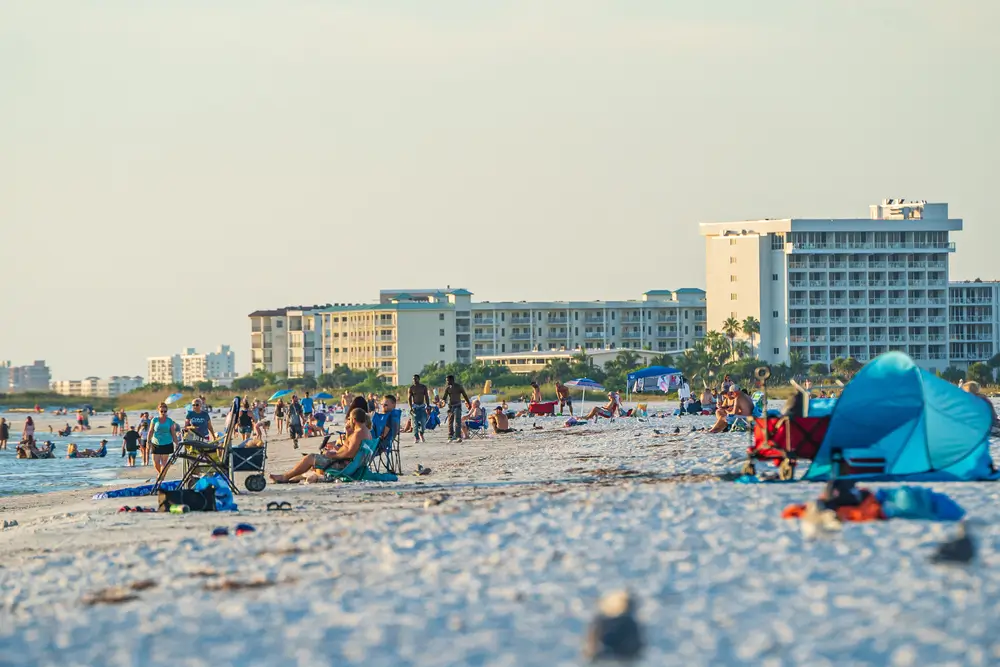
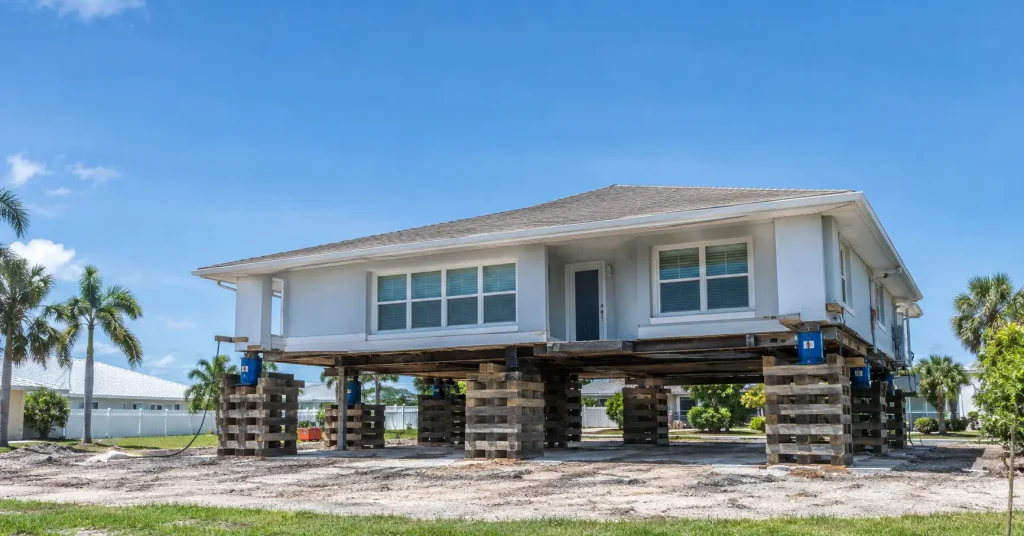
A full second story addition in Tampa Bay costs about $350 to $650 per square foot in 2026, all-in. A 700-square-foot second floor at a mid-range $450 per square foot lands near $315,000 before contingency. That is more than a ground-floor addition (roughly $260 to $520 per square foot), because you are removing a roof, reinforcing a foundation, and rebuilding everything above the first floor ceiling while keeping the house standing.
Expensive, yes. But for a Pinellas homeowner on a small lot, in a flood zone, or with a view worth chasing, going up is sometimes the only way to get the space. Here is what the number is made of and how to know if your house is a candidate.
What is included in the cost
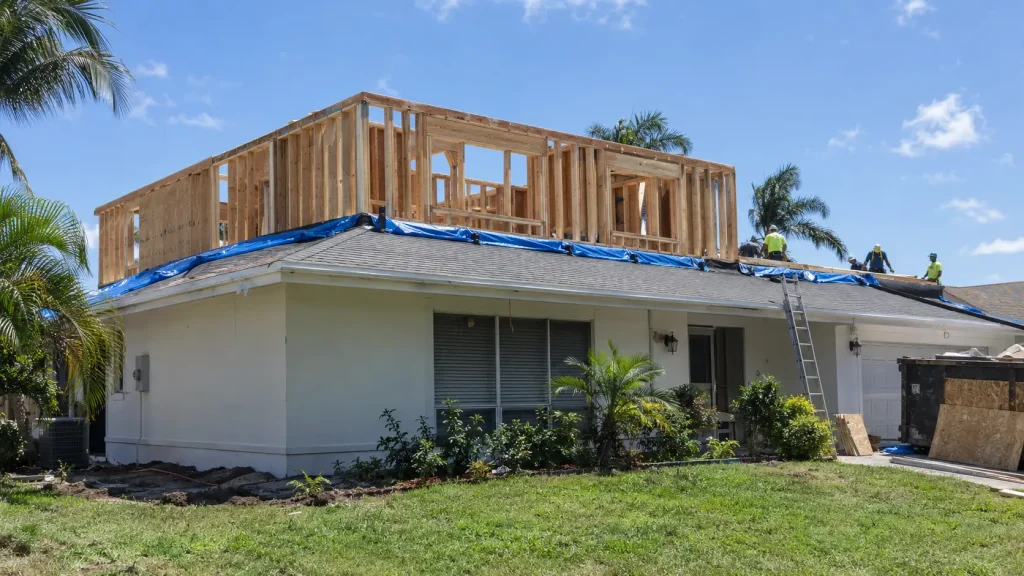
- Structural engineering and plans: $5,000 to $15,000. Not optional. An engineer confirms your foundation and first-floor walls can carry a second floor and specifies what has to be reinforced.
- Foundation reinforcement: $8,000 to $35,000 or more. Many 1950s to 1970s Pinellas ranches sit on footings sized for one story.
- Roof removal and a new roof system: $15,000 to $45,000 or more. The old roof comes off; the new one goes on top of the addition.
- Framing, sheathing, windows, and exterior finish for the new floor, plus tying the exterior into the existing house so it looks like it was always there.
- Stairs. A staircase eats 40 to 60 square feet of the first floor and often forces a first-floor layout change.
- Mechanical, electrical, and plumbing rough-in: $30,000 to $70,000 or more. A second floor almost always needs its own HVAC zone or system, a panel upgrade, and new plumbing runs.
- Interior finishes: insulation, drywall, flooring, doors, trim, paint, and bathrooms.
- Permits and inspections: $3,000 to $8,000, depending on the city.
- Temporary weather protection and, often, a place for you to live. The house is open to the sky for a period, so most families move out for at least part of the project.
Full second story vs. partial second story
A full second story covers the entire footprint and gives you the most space per dollar of fixed cost (engineering, roof, stairs). A partial second story, say a primary suite over the garage or a couple of bedrooms over the back half, costs less in total but more per square foot, because the fixed costs are spread over fewer feet. Partial additions also have to be designed carefully so the roofline does not look like an afterthought.
Can your house carry a second story?
This is the go/no-go question, and it comes before any pricing. A structural engineer will look at:
- Foundation type and condition. Monolithic slab, stem wall, or crawlspace, and any signs of settlement or cracking.
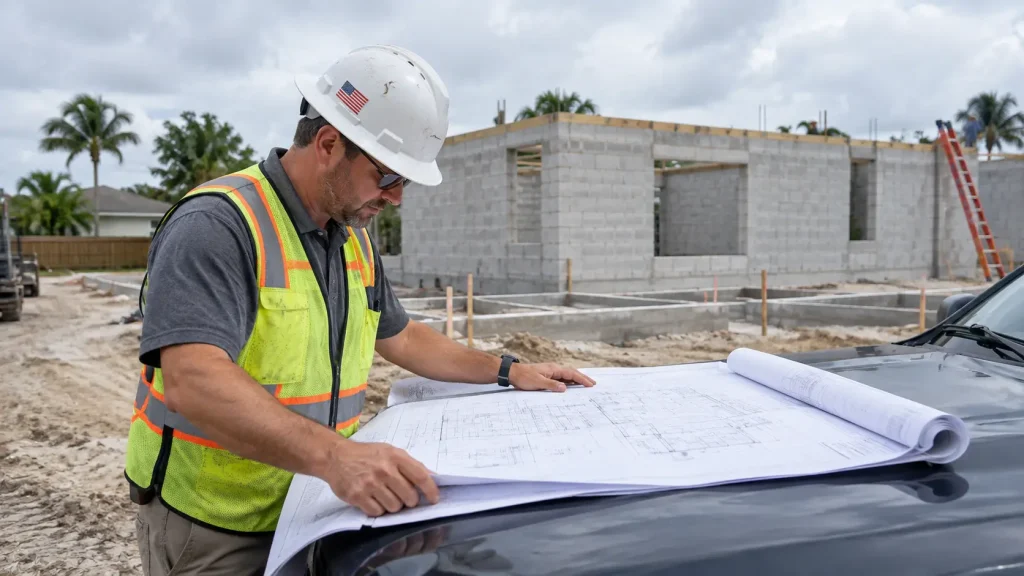
- Wall construction. Concrete block walls (most Pinellas homes) generally carry load well but need reinforced tie beams and columns. Wood-frame walls may need to be rebuilt or sistered.
- Soil. Pinellas has pockets of sandy fill and organic soils near the water. Some sites need a geotechnical report.
- Wind load. Florida Building Code requires the whole structure, old and new, to resist design wind speeds of roughly 150 to 160 mph across most of Pinellas. The connection between new and old is where most of the engineering effort goes.
Some homes simply are not good candidates, and a straight answer up front saves you months. When reinforcement gets expensive enough, a tear-down and rebuild starts to make more sense.
Flood zones and the 49 percent rule
Adding a second story does not add footprint, which is one reason it appeals to homeowners in AE zones. But the cost of the addition counts toward the substantial improvement threshold: in Pinellas County, if the total improvement cost reaches 49 percent of the structure’s market value (land excluded), the entire home, first floor included, must be brought into compliance with current flood elevation rules. A second story alone can cross that line. Our post on the FEMA 50 percent rule explains how the value is calculated and how an independent appraisal can raise your ceiling [LINK: The FEMA 50% Rule (49% in Pinellas) — post pending].
How long does a second story addition take?
Plan on 6 to 12 months from first meeting to certificate of occupancy: a few weeks for feasibility, 6 to 12 weeks for design and engineering, 8 to 16 weeks for permit review depending on the jurisdiction, and roughly 14 to 22 weeks of construction. St. Petersburg, Seminole, Largo, and unincorporated Pinellas each review structural additions on their own schedules.
Alternatives worth pricing
- Ground-floor addition: cheaper per square foot if you have the lot and the setbacks allow it. See our home addition cost guide [LINK: How Much Does a Home Addition Cost? — post pending].
- Garage conversion or bonus room over the garage: the garage already has a foundation and roof.
- Detached casita or ADU: a separate building may avoid disturbing the main house at all.
- Reconfigure what you have: an open-plan remodel sometimes solves the problem for a fraction of the cost.
Why a design-build firm for a second story
A second story is the most technically demanding residential addition there is: structural engineering, flood compliance, wind design, a full roof replacement, and a house that has to stay dry through a Florida summer. Design-build puts the engineer, designer, and builder on the same team from day one, so the design you approve is one that pencils and one your house can carry. Explore our home addition services in St. Petersburg and the rest of Pinellas County.
Frequently Asked Questions
Is it cheaper to add a second story or build out?
Building out is usually cheaper per square foot, roughly $260 to $520 versus $350 to $650 for a second story in Tampa Bay. A second story wins when the lot is small, setbacks are tight, or you want to preserve yard and pool space.
Can you add a second story to a concrete block house?
Often, yes. Block walls carry load well, but an engineer will typically require reinforced tie beams, new columns, and sometimes foundation work to meet Florida wind and load codes.
Do you have to move out during a second story addition?
Most families do, at least while the roof is off and the structure is being tied in. Some partial additions allow you to stay with a temporary wall and a lot of patience.
Does a second story addition add value?
It adds significant square footage, which is the main driver of value in Pinellas County. Whether you recoup the full cost depends on your neighborhood’s price ceiling, so check comparable two-story sales before you commit.
Does a second story count toward FEMA’s 50 percent rule?
Yes. The cost of the addition counts toward the substantial improvement threshold, which is 49 percent in Pinellas County. Crossing it requires bringing the whole structure into flood compliance.
Ready to Talk to a Local Design-Build Team?
Van Selow Design Build is a licensed and insured design-build contractor (CBC1252610) based in Seminole, serving St. Petersburg, the Pinellas beaches, Belleair, Tierra Verde, and the rest of Pinellas County. We handle kitchens, bathrooms, home additions, ADUs, outdoor living spaces, and FEMA-compliant remodeling under one roof, from design through final inspection. If you are weighing a second story and want a structural reality check, a real budget, and one team to carry it through, call 727-628-2219 or email info@vanselowdesign.com, or visit our contact page and we will set up a conversation about your home.